
 01
01HVAC System Model
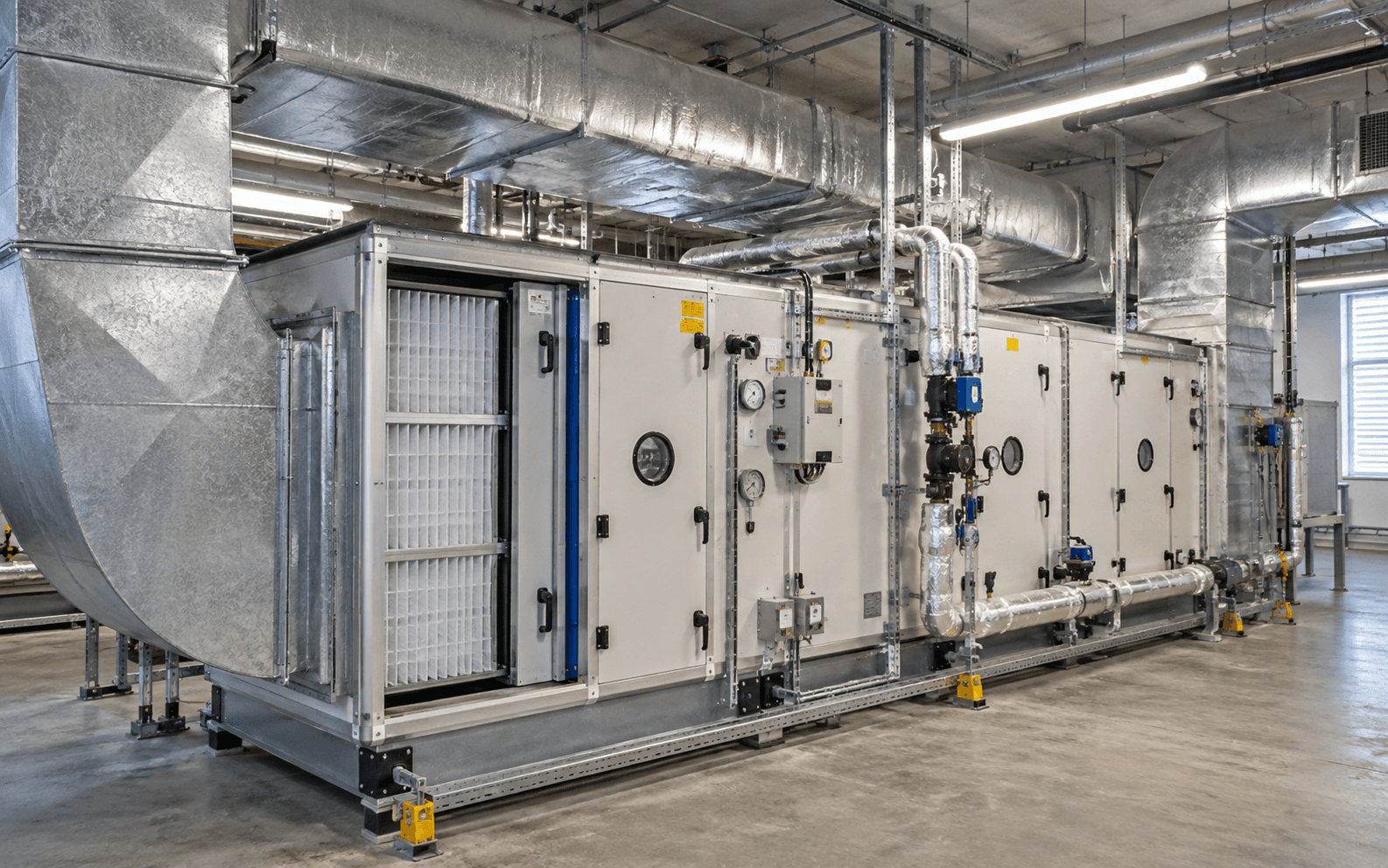
Organize AHUs, zones, rooms, terminals, and related equipment into a navigable system view that matches how facilities teams troubleshoot the building.
We build HVAC intelligence experiences that connect AHUs, equipment, zones, and indoor-air-quality data to the web model, helping facilities teams understand system performance and act on issues in context.
About this service
An HVAC digital twin is a model-based view of a building’s mechanical system that connects air handling units, terminal equipment, zones, and rooms to live comfort and indoor-air-quality readings. HVAC problems rarely belong to one isolated number: a comfort complaint can involve a room, its zone, the upstream AHU, a sensor, and a changing operating condition. BimEx builds HVAC intelligence experiences in the browser so facilities teams investigate the system in spatial context—moving from floor to zone to equipment—without replacing the BMS that already controls the building.
We combine model geometry, equipment metadata, sensor readings, and clear system navigation. Operators can compare conditions and see where an alert sits in the wider mechanical context, supporting commissioning, ongoing operations, IAQ monitoring, and retrofit planning.
The workflow is designed to make existing data easier to use. Your BMS remains the system of record for control; the viewer visualizes conditions and relationships.
Inside this service
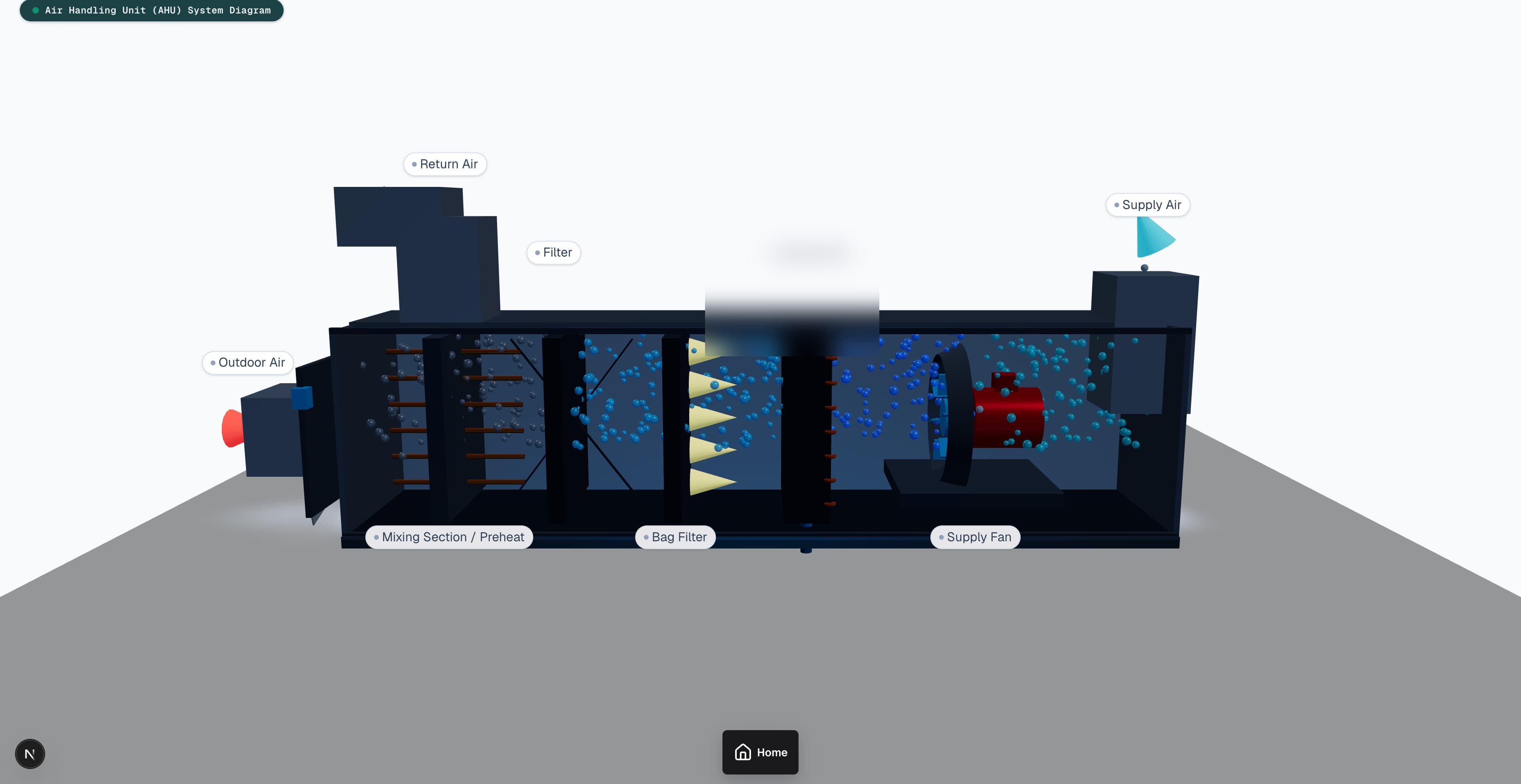
01Organize AHUs, zones, rooms, terminals, and related equipment into a navigable system view that matches how facilities teams troubleshoot the building.
 02
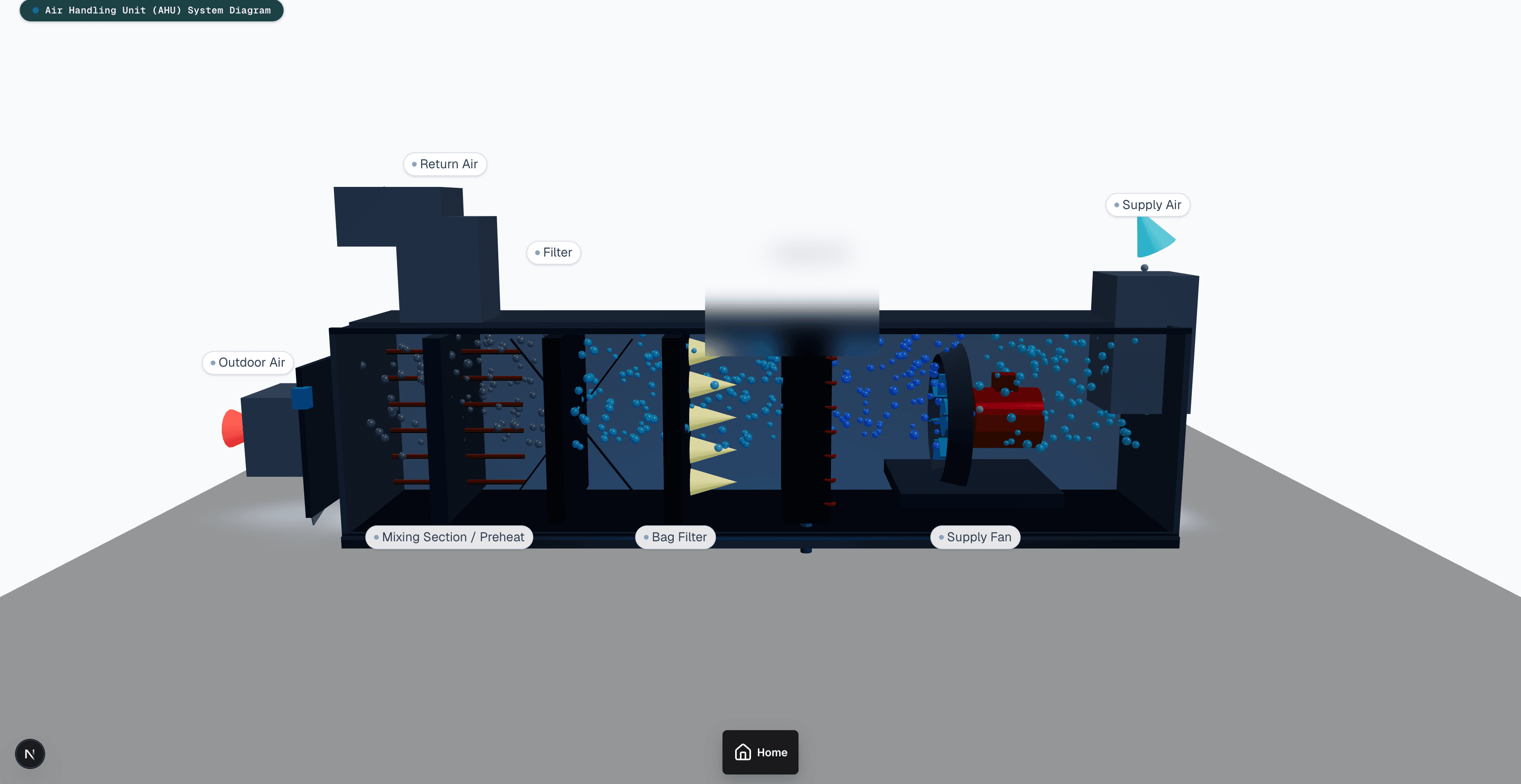
02Keep equipment records, operating context, and model location together so a team can move from an issue to the relevant mechanical asset without guesswork.
 03
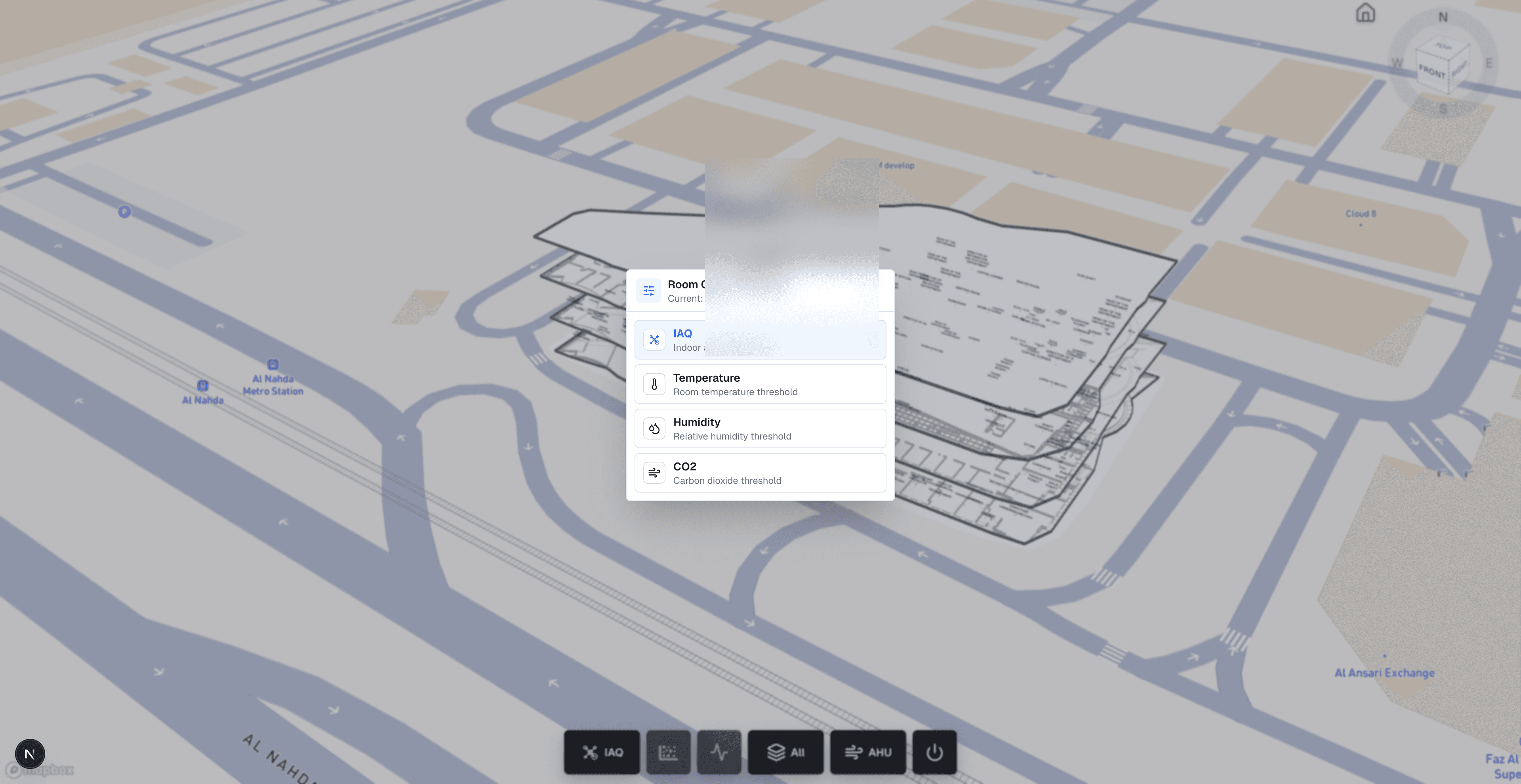
03Visualize temperature, humidity, air quality, and alerts across zones so teams can spot patterns and prioritize the rooms or systems that need attention.
Delivery process
We review mechanical models, equipment schedules, BMS point lists, and IAQ sensor data to understand how AHUs, zones, and rooms relate. Together we agree which issues the experience should help investigate first comfort complaints, air quality, commissioning checks, or retrofit evidence.
We map AHUs, terminal units, zones, rooms, and sensors to model geometry and build the upstream and downstream relationships between them, so any room can be traced to the equipment serving it. Gaps in the mechanical model are recorded and scoped.
We build HVAC-focused views: floor-to-zone-to-equipment navigation, IAQ and comfort overlays, status indicators, and alert context. Data is read from your existing BMS or monitoring platform; the viewer visualizes conditions and does not send control commands to building systems.
Facilities and commissioning users validate the views against real site conditions, and we refine mappings and thresholds from their feedback. Handoff includes system mapping documentation, integration notes, and guidance for adding equipment, zones, or buildings later.
Related case studies
Smart Buildings
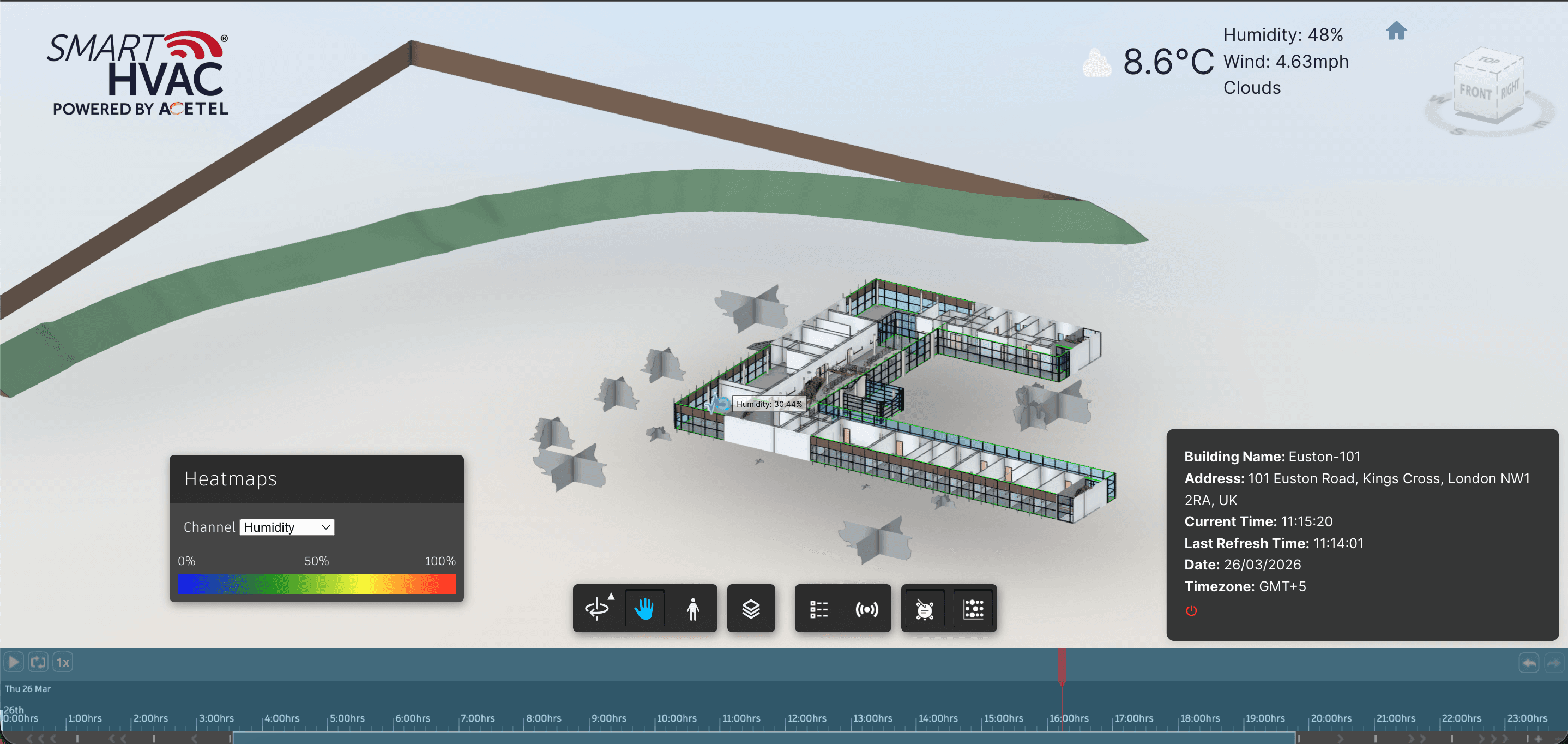
Delivered an APS Viewer experience where installed IoT devices appear in model context—with live overlays, heatmaps, and historical analytics for smarter building operations.
Installed IoT devices appear on APS model geometry in context
Read case study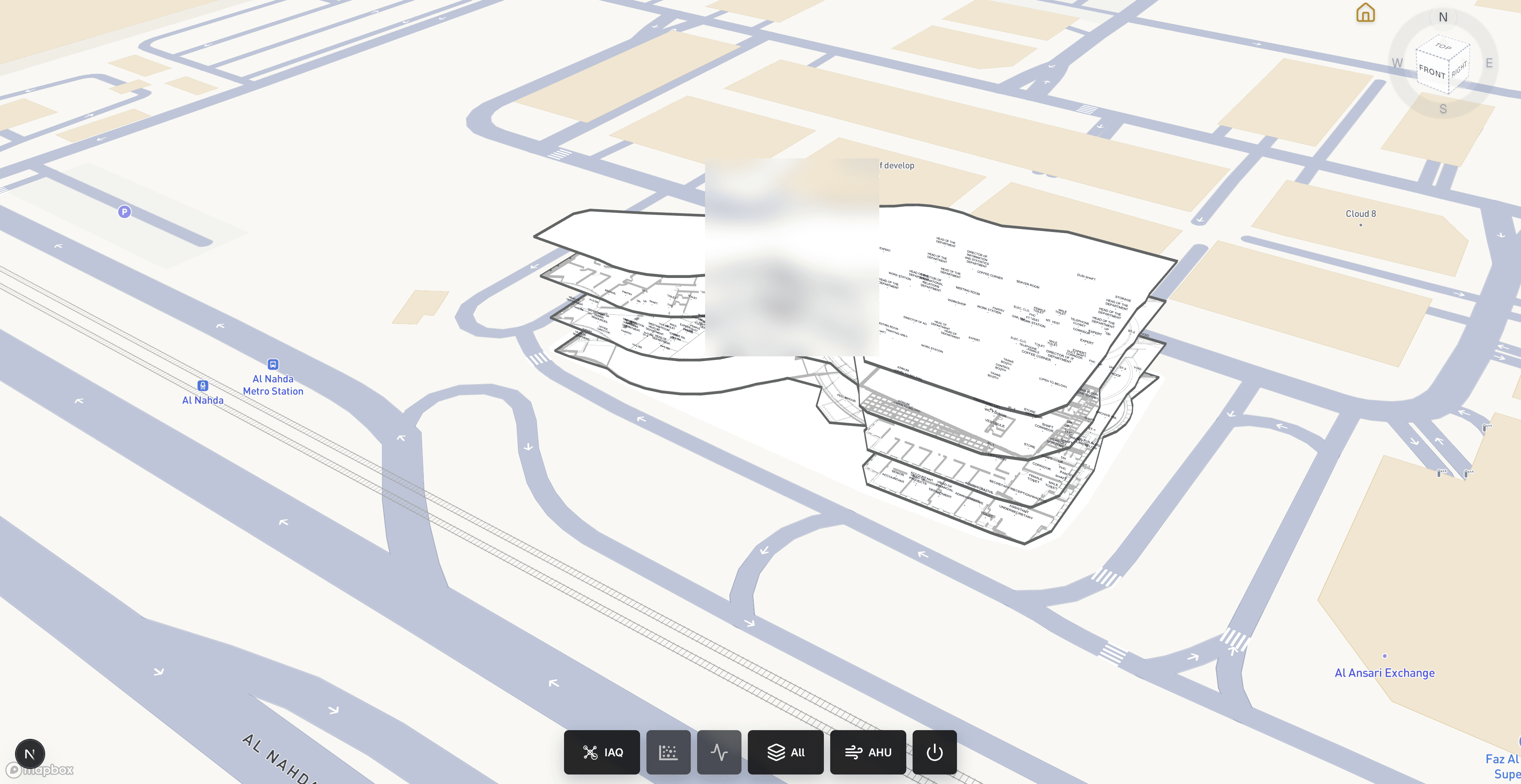
Smart Buildings
Delivered a production building-operations viewer where facilities teams can inspect georeferenced indoor models, monitor installed IoT devices in place, and diagnose AHU component health without leaving the browser.
Georeferenced IFC/GLB indoor models on Mapbox for facilities context
Read case studyService FAQ
An HVAC digital twin is a model-based view of a building's mechanical system that connects air handling units, terminal equipment, zones, and rooms to live readings such as temperature, humidity, and air quality. Instead of reading values in isolation, facilities teams see where an issue sits and which equipment serves that space. BimEx builds these experiences in the browser on top of your BIM or IFC models, and can add interactive AHU component health when facilities need filtration and mechanical diagnostics in context.
Autodesk Tandem, Siemens Building X, Schneider EcoStruxure, and similar suites are product platforms you buy into. BimEx is a delivery partner: we build a custom branded HVAC/AHU monitoring experience on your BIM or IFC models, integrate the BMS or sensor data you already have, and hand over the software so your team owns it. Choose a platform when you want a vendor suite; hire BimEx when you need custom AHU monitoring on BIM without adopting a full suite. See our Why BimEx guide for a side-by-side framing.
No. Your building management system continues to control the equipment. Our HVAC experience reads data from the BMS or monitoring platform through agreed interfaces and displays it on the model, adding the spatial context a BMS typically lacks. We do not write setpoints or send commands, which keeps control responsibility with the systems and teams already accountable for it.
Useful inputs include mechanical BIM or IFC models, equipment schedules, BMS point lists or naming conventions, and access to sensor or IAQ data. Few buildings have all of these in perfect condition, and the system review is designed to find the gaps. If mechanical or interior geometry is missing, our indoor modeling service can provide an MEP-aware baseline before HVAC mapping begins.
HVAC Intelligence is a focused application of the same foundation. The digital twin service provides the spatial and asset structure, and the IoT web viewer service brings live device data onto the model. HVAC Intelligence adds mechanical system relationships, zone logic, and comfort views on top. Timelines depend mainly on the number of systems, data quality, and access to the BMS or monitoring platform.